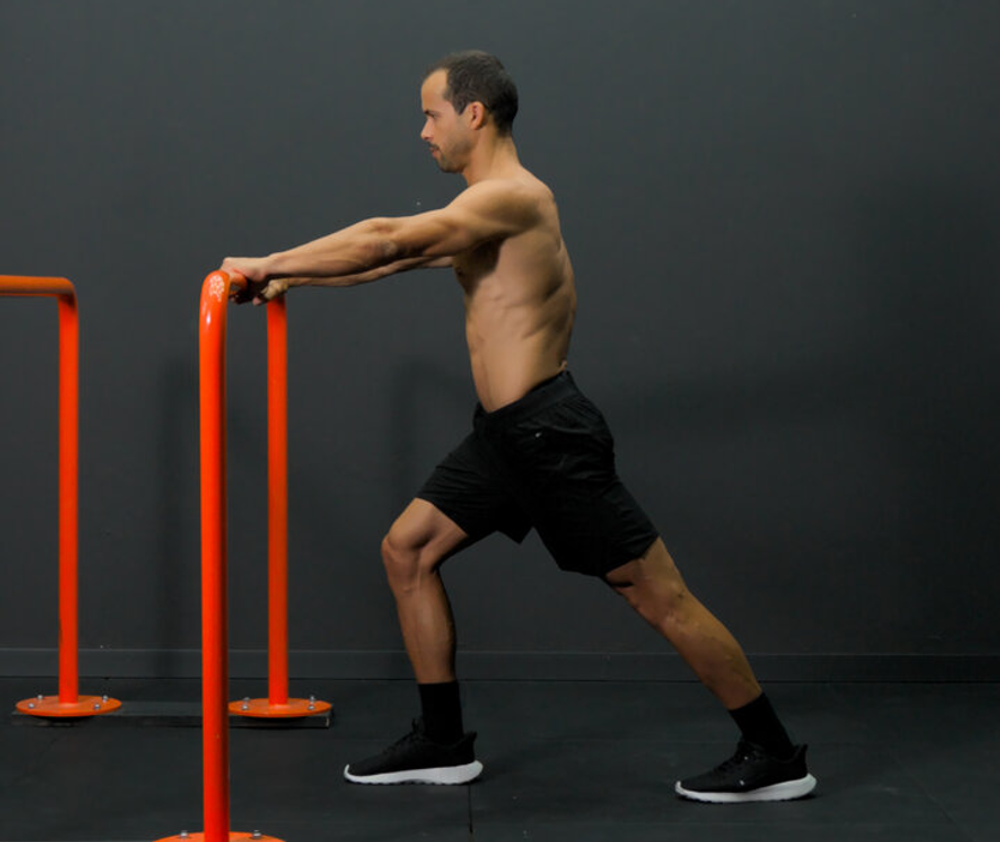
Calf Exercises in Calisthenics: Complete Equipment-Free Guide
Discover the best calf exercises in calisthenics to train at home without equipment. Standing calf raises, single-leg, elevated, and progressions.
Losing fat without losing muscle is one of the most sought-after goals among calisthenics practitioners. However, it's also one of the processes that generates the most mistakes. Many people cut calories too much, increase cardio, and end up losing strength, performance, and part of the muscle mass they worked so hard to build.
The good news is that this can be avoided. If you apply the right strategy, it's possible to reduce your body fat percentage while keeping virtually all of your muscle mass. In certain cases, you can even achieve true body recomposition: losing fat and gaining some muscle at the same time.

The difference between "losing weight" and "losing fat" matters. Losing weight simply means the number on the scale goes down, but that weight can come from fat, muscle, water, or glycogen. Losing fat, on the other hand, means specifically reducing adipose tissue while preserving as much muscle mass as possible.
This is where calisthenics has a major advantage. Since it's a strength training method based on moving your own bodyweight, it provides the stimulus your muscles need to be maintained during a caloric deficit. Add a high protein intake and a moderate deficit, and you have the most effective combination for improving your body composition.
In this article you'll discover how to do it step by step and which mistakes hold back progress the most.
When you eat fewer calories than you burn, your body needs to get energy from somewhere. Ideally, that energy comes mainly from body fat, but if the deficit is too aggressive, the body can also draw on muscle tissue.
This happens because muscle is a metabolically active tissue containing amino acids that can be used to produce energy when the body senses a scarcity situation.
The risk increases when several factors coincide:
That's why it's so common to hear things like: "I lost ten kilos, but I also lost strength" or "I'm leaner, but I look worse than before."
In most cases, the problem isn't the caloric deficit itself, but how it was approached.
A very common mistake is trying to lose weight as fast as possible by cutting out large amounts of food. Although the scale may drop quickly at first, part of that loss is water, glycogen, and even muscle mass.
The reality is that a more aggressive deficit doesn't mean losing fat more efficiently. It means increasing the odds of losing muscle, feeling hungrier, recovering worse, and quitting the diet before reaching your goal.
One of the biggest benefits of calisthenics is that it's still strength training. Every pull-up, dip, push-up, or single-leg squat sends a very clear signal to your body:
"This muscle is still needed."
When the body receives that signal consistently, it tries to preserve muscle mass even while you're consuming fewer calories. Many people believe that to get lean they must stop training hard and focus solely on cardio. In reality, the opposite is true.
Strength training is the main protector of muscle mass during an energy deficit. It doesn't matter whether you train in a gym with weights or do calisthenics. What matters is that you keep generating enough mechanical tension through demanding, progressive exercises.
This means that while you're losing fat, you should try to maintain:
What can be reduced slightly is total volume if you notice recovery getting worse. However, dropping hard exercises or replacing them with long cardio sessions is usually a mistake.
In other words, calisthenics isn't just useful for building muscle. It's also one of the best tools for preserving it while you cut body fat.
The most common mistake when trying to get lean is running too large a deficit.
Many people cut between 700 and 1,000 kcal per day thinking they'll get results faster. What usually happens is exactly the opposite:

A much smarter approach is to create a deficit of roughly 300-400 kcal per day.
This margin usually allows for steady fat loss without compromising training.
As a general reference, a weekly loss of approximately 0.5-1% of body weight is usually considered a good pace for preserving muscle mass in most people who train for strength.
Think of it as a long-term investment. It may take a few extra weeks to reach your goal, but you'll get there with a much better physique.
Protein is the nutrient that most helps preserve muscle mass during a cutting phase.
For most people who train calisthenics, an intake of roughly 1.6-2.2 g of protein per kilogram of body weight per day is usually enough.
You don't need to live on shakes or chicken and rice. You can easily hit that amount with everyday foods like:

When you start a cut, your training goal changes slightly. You're no longer chasing new records every week. Your priority shifts to preserving as much strength and muscle mass as possible.
If you keep doing pull-ups, dips, push-ups, squats, or advanced progressions with good intensity, you'll be sending the necessary stimulus for your body to hold on to that muscle tissue.
You don't need to train more. In fact, adding endless sessions usually makes recovery harder when you're eating less.
The smartest approach is to keep a program similar to what you followed before the deficit, only adjusting volume if necessary.
Remember the core idea:
Calisthenics provides the stimulus, protein provides the building materials, and a moderate deficit allows body fat to be used as an energy source.
That combination gets the best results for most people.
There's no single food that makes you lose fat on its own. What really makes the difference is that your diet lets you sustain a moderate caloric deficit without feeling hungry, while also providing enough protein to preserve muscle mass.
The foundation should be simple and sustainable. You don't need special foods or a competition-level diet. The easier it is to maintain your eating habits for months, the better your results will be.
Prioritize these principles:
Some examples of balanced meals:
Breakfast
Lunch
Snack
Dinner
Not every meal needs to be perfect. What matters is that, over the course of the day, you meet your energy and protein needs.
There's a common belief that the more cardio you do, the more fat you'll lose. In practice, it doesn't usually work that way. Cardio can be a useful tool to increase energy expenditure, improve cardiovascular health, and support a caloric deficit, but it shouldn't become the foundation of a cutting phase.
If you do too much cardio while cutting calories a lot, several problems can appear:
Additionally, calisthenics itself already has a significant cardiovascular component, especially if you train with circuits, supersets, or full-body exercises.
For most people, two to three sessions of moderate cardio per week is usually enough. This can be brisk walking, easy running, cycling, or any activity you enjoy.
Remember that the purpose of cardio is to complement strength training, not replace it.
Most people don't fail due to a lack of willpower, but because they follow unsustainable strategies. Here are the most common mistakes:
Cutting too many calories at once
This is mistake number one. Thinking that eating way less will make you lose fat faster usually ends in more hunger, worse adherence, and muscle loss.
Neglecting protein
If you cut protein-rich foods to reduce calories, you're making it harder to preserve muscle.
Stopping training hard
Many people train fearfully because they think that, while dieting, they shouldn't push themselves. In reality, maintaining intensity is one of the best ways to preserve muscle mass.
Doing too much cardio
Adding hours of cardio to "burn more fat" usually increases fatigue without providing major benefits if your diet is already well planned.
Obsessing over the scale
Weight can fluctuate several kilos throughout the week due to water, glycogen, or even gut contents. Basing all your progress solely on body weight often leads to wrong conclusions.
The scale only tells you how much you weigh. It doesn't tell you where that weight is coming from. To properly assess your progress, it's a good idea to combine several tools:
Track your measurements
If your waist shrinks while your arms and legs barely change, you're probably losing fat.
Monitor your performance
If you're still doing roughly the same pull-ups, dips, or push-ups as before, that's a good sign you're preserving your muscle mass.
Take regular photos
Physical changes are often much more visible in pictures than on the scale.
Pay attention to how your clothes fit
It's common for someone to stay at roughly the same weight but notice their clothes fit much looser due to a lower body fat percentage.
Yes, although it depends on the person. Body recomposition means reducing fat while increasing muscle mass. This process tends to happen more easily in:
In these cases, the goal usually centers on preserving all muscle mass while reducing body fat percentage. And, precisely, the combination of calisthenics, sufficient protein, and a moderate deficit is one of the best strategies to achieve it.

Losing fat without losing muscle doesn't depend on finding the perfect diet or training twice as hard. It depends on applying a strategy you can sustain for long enough.
If you train calisthenics, the priority should be to keep stimulating your muscles with strength training, eat enough protein, and avoid overly aggressive caloric deficits.
Calisthenics + high protein + moderate caloric deficit = the most effective combination for losing fat while preserving muscle mass.
Patience and consistency always beat quick fixes.
Remember, if you want to put all of this into practice, at Calisteniapp you'll find training plans and resources that, combined with the right nutritional strategy, can help you make progress.
Personalisierter Test
Beantworte 7 kurze Fragen und wir empfehlen dir das Programm, das am besten zu dir passt.
Abonniere unseren Newsletter
Lerne alles, was du über Calisthenics wissen musst
Discover the best calf exercises in calisthenics to train at home without equipment. Standing calf raises, single-leg, elevated, and progressions.
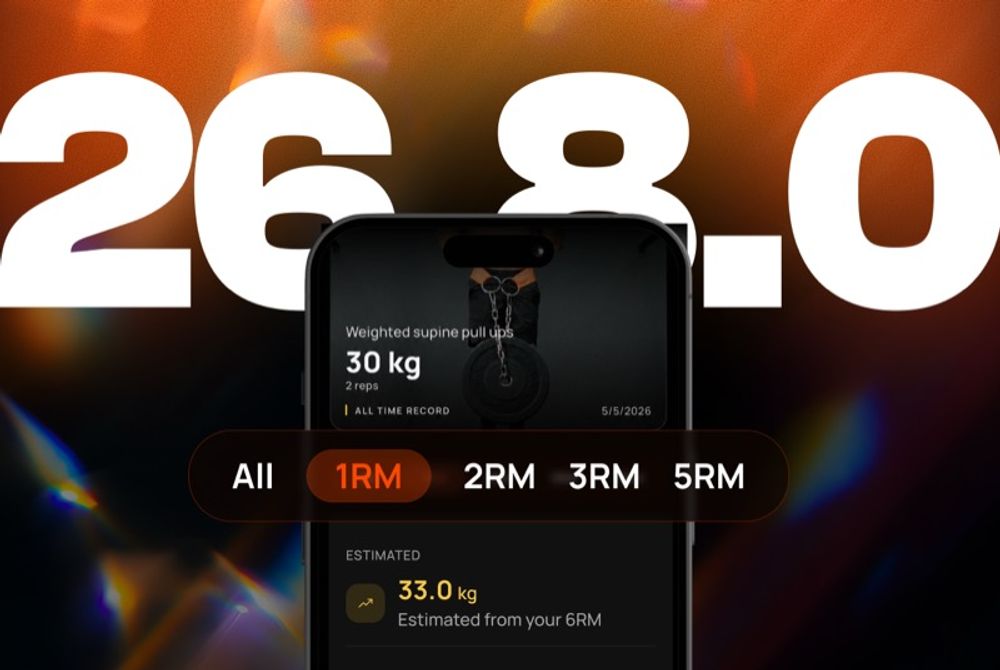
Discover what’s new in Calisteniapp versions 26.5 to 26.7: customised warm-ups, a load index, personal records, and photos in your logs.
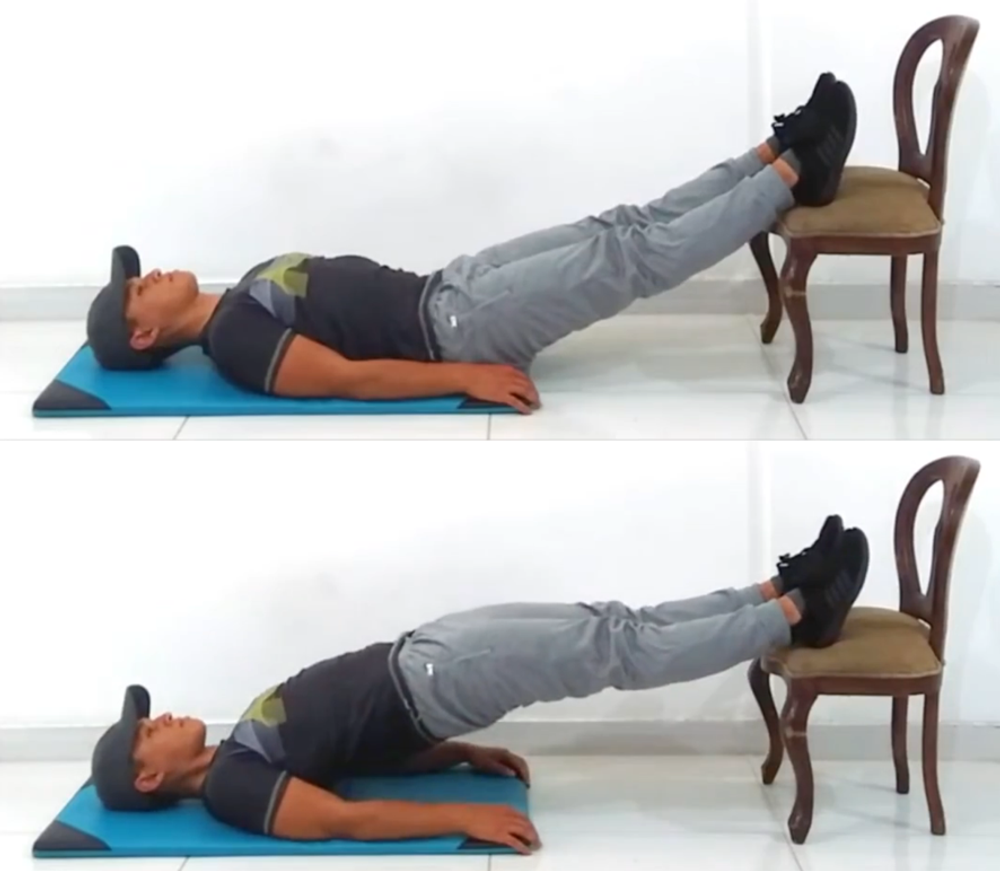
Discover the best hamstring exercises in calisthenics to train at home without weights. Nordic curl, leg curl, hip thrust and more, with step-by-step progressions.