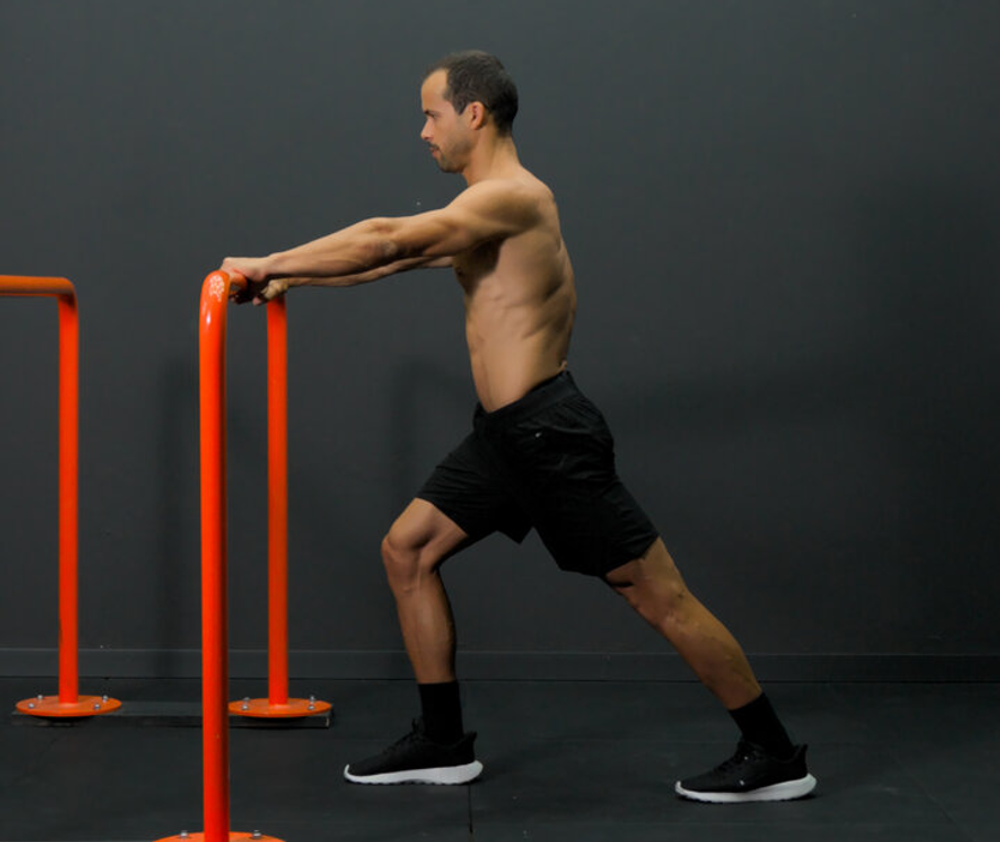
Calf Exercises in Calisthenics: Complete Equipment-Free Guide
Discover the best calf exercises in calisthenics to train at home without equipment. Standing calf raises, single-leg, elevated, and progressions.

If you train calisthenics and your goal is to gain muscle mass, the next question after organizing your workouts is probably: What foods should I buy to support muscle growth?
The reality is that there are no miracle foods or must-have products. What really makes the difference is building a diet based on quality foods that help you meet your protein and energy needs to recover from training.
In this guide you'll find a practical list of the best foods to gain muscle, with approximate protein amounts, simple examples, and tips to know what's worth buying and what isn't.
This article is designed to help you choose the best foods to gain muscle mass. If you're looking for information on how to calculate your calories, create a surplus, or structure a complete diet, you'll find that information in our guide on "a diet to gain muscle mass". Here we'll focus exclusively on which foods to choose and why they can help you progress in your calisthenics training.
This article is designed to help you choose the best foods to gain muscle mass. If you're looking for information on how to calculate your calories, create a surplus, or structure a complete diet, you'll find that information in our guide on a diet to gain muscle mass. Here we'll focus exclusively on which foods to choose and why they can help you progress in your calisthenics training.
The simplest way to organize your shopping is to divide foods into three main groups:
Each one serves a different function, and all of them are important.
Protein is the nutrient most closely linked to muscle repair and growth. Although the end result depends on your diet as a whole, most of your main meals should include a source of quality protein.
Here are some of the best options:

Carbohydrates are often the forgotten ones when it comes to gaining muscle.
However, they're the fuel that allows you to train with intensity.
If your glycogen stores are constantly low, it will be harder to complete demanding calisthenics workouts and progress in exercises like weighted pull-ups, dips, or strength progressions.
That's why it's worth prioritizing simple carbohydrate sources that are easy to incorporate into your day-to-day routine.

For many years, it was thought that fats should be avoided in order to gain muscle without accumulating body fat. Today we know that's not the case.
Healthy fats are part of a balanced diet and help cover your daily energy needs, while also playing a role in numerous functions of the body.
The best options are:

Current scientific evidence indicates that people who do strength training, such as calisthenics, get the greatest benefits for gaining muscle mass with an approximate intake of between 1.6 and 2.2 grams of protein per kilogram of body weight per day.
It's not necessary to consume all your protein in a single meal. In fact, spreading it throughout the day is usually a more practical and effective strategy for reaching your daily goal. As a general guideline, you can divide it between 3 and 5 meals, making sure each one contains a source of quality protein.
Key takeaway: consume approximately 1.6–2.2 g of protein per kilogram of body weight per day, spread across 3–5 meals.
If you want to know exactly how much protein you need based on your weight, training level, and goal, check our guide on "how much protein you need to gain muscle", where we explain how to calculate it step by step.
One of the most common questions is whether there's an ideal time to eat certain foods. The reality is that your overall daily nutrition matters most. However, distributing some foods around your training can help you perform better and make recovery easier.
Before a calisthenics session, it's a good idea to choose a meal that provides mainly carbohydrates and a moderate amount of protein.
Some examples are:
Ideally, you should eat this meal 2 to 3 hours before training. If you have less time, a lighter option like yogurt with fruit or some toast is usually enough.
After training, the goal is to support recovery.
There's no "anabolic window" as limited as was believed years ago, but it is advisable to eat a complete meal in the hours after training to recover better.
For example:
There's no need to turn to shakes if you can eat a normal meal shortly after training. Supplements can be useful for convenience, but they're not essential.
To support muscle mass gains, it's a good idea to spread your protein sources across several meals instead of concentrating them all in one. For example, you can include protein at breakfast, lunch, your afternoon snack, and dinner through foods like eggs, yogurt, chicken, fish, legumes, tofu, or fresh cheese.
Eating five times a day isn't mandatory, but it is recommended that the meals you do have are well organized and provide a sufficient amount of protein. For most people, spreading it across 3 to 5 daily intakes is a practical strategy.
It's also important not to regularly skip meals when you're trying to gain muscle mass. To build muscle, you need to consume enough energy throughout the day, and cutting out meals can make it harder to reach that intake. This doesn't mean eating constantly or forcing yourself to have five meals if you're not hungry, but rather maintaining a structure that allows you to cover your needs without ending the day trying to make up for everything at dinner.
A diet for gaining muscle mass doesn't have to be complicated. What matters is that each meal provides quality foods and that, across the day as a whole, you cover your protein and energy needs.
This is an example of a day of eating for someone who works, trains calisthenics in the afternoon, and wants to gain muscle mass.
Breakfast:
Approximate protein: 50 g
Mid-morning:
A whole wheat sandwich with:
1 nectarine
Approximate protein: 38–40g
Lunch:
Approximate protein: 40 g
Snack (before training) (~20 g of protein)
Approximate protein: 20 g
Dinner (after training) (~40 g of protein)
Approximate protein: 40 g
This menu is an example, and it can be adapted to your needs. You don't have to copy the meals exactly; what matters is using similar foods that allow you to reach your daily requirements.
There are no forbidden foods for gaining muscle. However, some products provide a lot of calories and few nutrients, so if they take up a significant part of your diet, they can crowd out options that are more interesting from a nutritional point of view.
That doesn't mean you have to eliminate them, but rather that it's best to consume them occasionally.
These include:
This doesn't mean you can't enjoy a pizza, a burger, or an ice cream from time to time. In fact, a flexible diet is usually much easier to maintain than one based on constant restrictions.
The key is for most of your choices to be nutritious foods, leaving room for more indulgent foods without letting them become the foundation of your diet.
Most supplements aren't necessary for gaining muscle mass.
If your diet is well planned, your results will depend much more on your training and your habits than on any product. Even so, there are some supplements backed by solid scientific evidence:
It's the best-supported supplement for improving performance in strength and high-intensity exercises. It can make it easier to progress in common calisthenics exercises like weighted pull-ups, dips, or weighted push-ups.
The usual dose is 3 to 5 grams per day, with no need to do loading phases.
It doesn't build more muscle than protein from food. Its main advantage is convenience. It can be a good option when you can't easily meet your daily needs through food or need a quick alternative after training.
Remember that it's still a food, not an essential product.
Gaining muscle mass doesn't depend on finding a secret food or filling your pantry with products specifically for athletes.
What really matters is building a diet based on simple, nutritious foods that are easy to maintain long term.
If you train calisthenics, prioritize quality protein sources, pair them with carbohydrates that allow you to perform in every session, and complete your diet with healthy fats from foods like olive oil, nuts, or oily fish.
Remember that no single food, on its own, will make you gain muscle. It's the sum of your habits that makes the difference.
Now that you know which foods to choose, the next step is learning how to organize them within a diet adapted to your goal. To do this, you can check our guide on a diet to gain muscle mass, where we explain how to calculate calories, structure meals, and create a complete nutritional strategy to support your workouts with Calisteniapp.
Quiz personalizado
Responda 7 perguntas rápidas e vamos recomendar o programa que melhor se adapta a você.
Junte-se ao nosso boletim informativo
Aprenda tudo o que precisa saber sobre calistenia
Discover the best calf exercises in calisthenics to train at home without equipment. Standing calf raises, single-leg, elevated, and progressions.
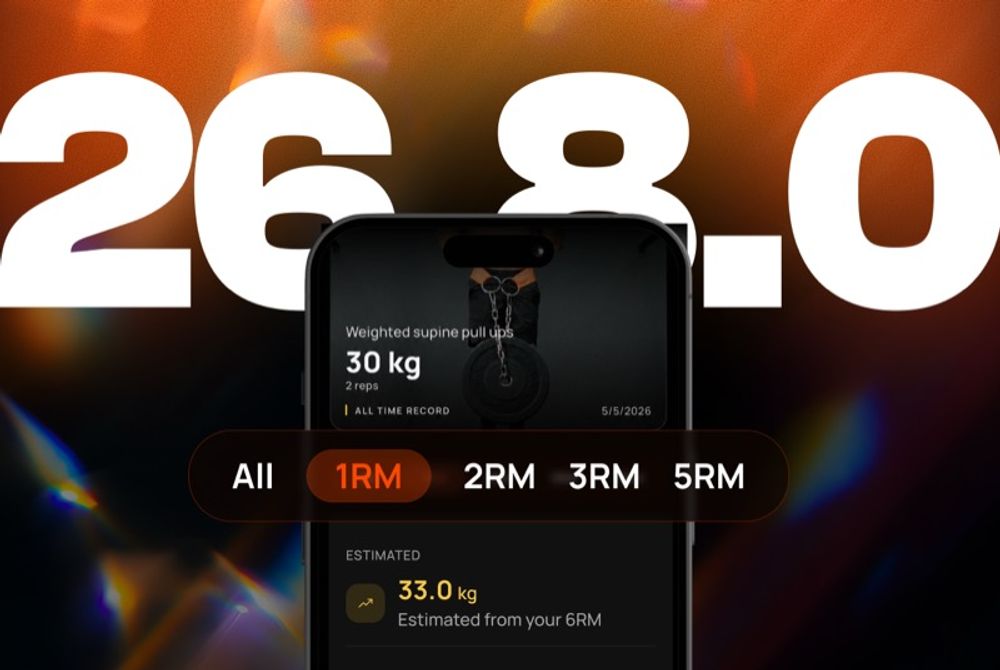
Discover what’s new in Calisteniapp versions 26.5 to 26.7: customised warm-ups, a load index, personal records, and photos in your logs.

Discover how to lose fat without losing muscle through calisthenics training. Nutrition strategies, moderate caloric deficit, and training for real body recomposition.