Latest Calisteniapp Update - v26.9.0
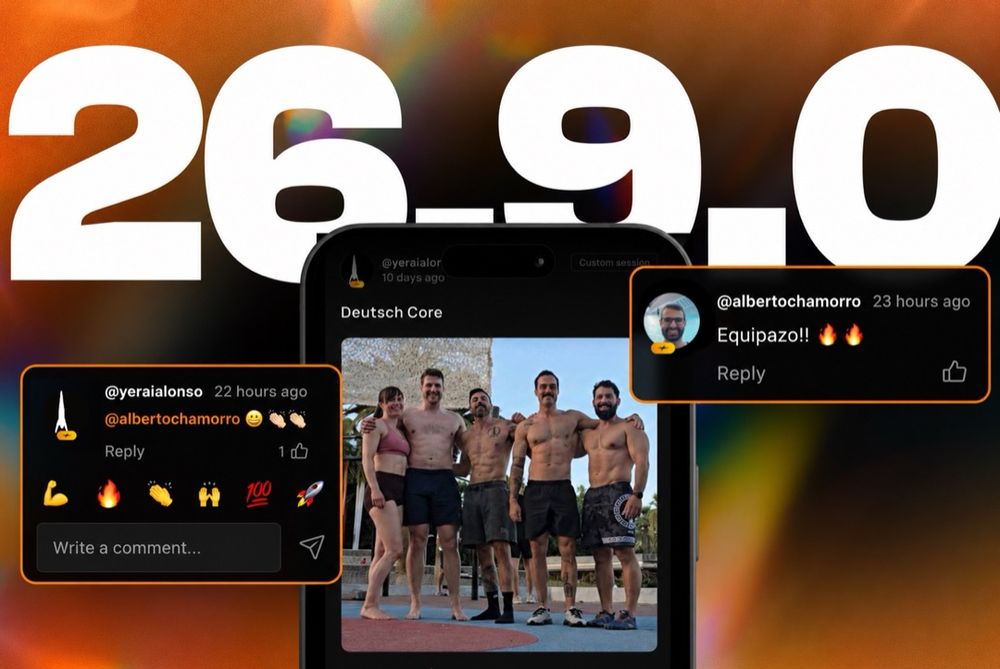
What's new in Calisteniapp v26.9.0: community comments, a new weighted calisthenics program with RPE, and improvements to the routine builder.
Calisthenics routines for beginners, exercises by level, and complete workout to progress safely and effectively.
Many people think that, to start training Calisthenics, they must have a minimum of arm strength or overall upper body strength, and this makes them reluctant to start.
But nothing could be further from the truth. One of the greatest advantages of Calisthenics is that it can be easily adapted to any level, even for people who have never trained in their lives and are starting from an absolute level 0 of strength.
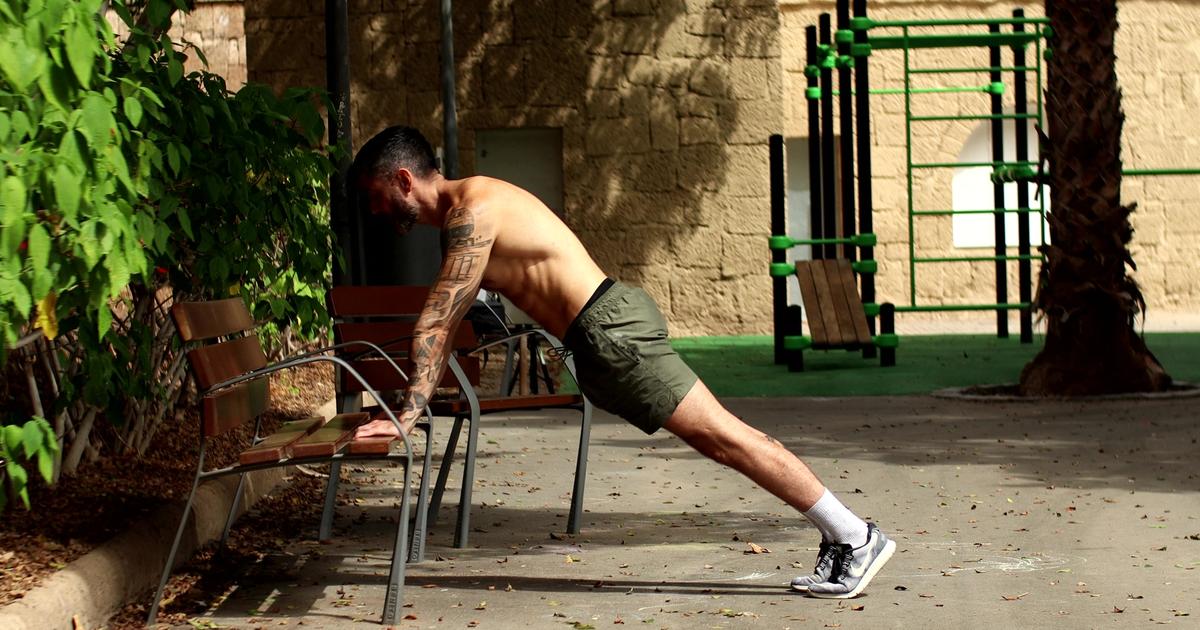
Different exercises have progressions—some more well-known than others—that allow you to adapt the level to any ability.
In the article where we discussed how to start calisthenics from scratch, we saw these progressions in detail, and today we are going to review these exercises and also see routines and training tables using them.
Apart from what we mentioned about the ease of adapting exercises, another advantage of calisthenics for beginners is that results and progress can be seen quickly.
A few weeks after starting training, you will see how you can already perform an extra repetition, you can slightly increase the difficulty of the progression, and you will see a clearer path toward achieving basic exercises like full push-ups, pull-ups, or parallel dips.
In addition, on a physical level, you will also see changes in the mirror and notice that you have more strength and endurance.

The exercises we are going to perform are versions of the basic calisthenics exercises (push-ups, pull-ups, dips, and squats) but adapted into progressions that anyone can perform, regardless of their strength level. Additionally, we will add some abdominal work.
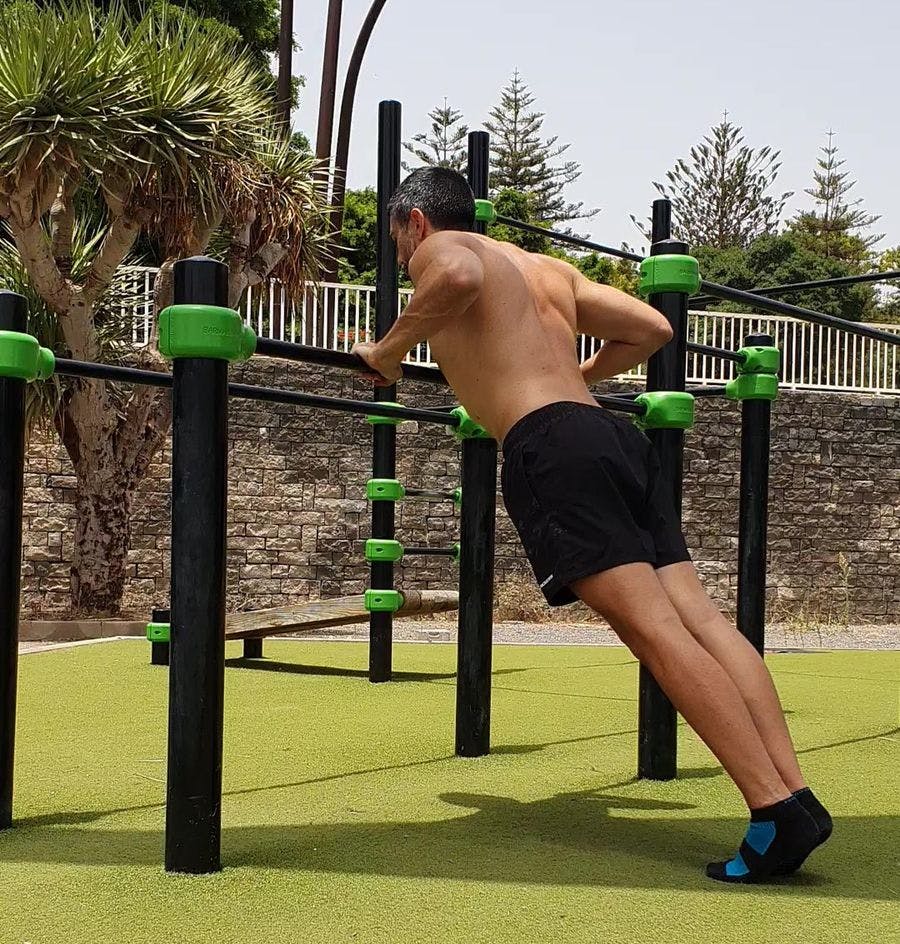

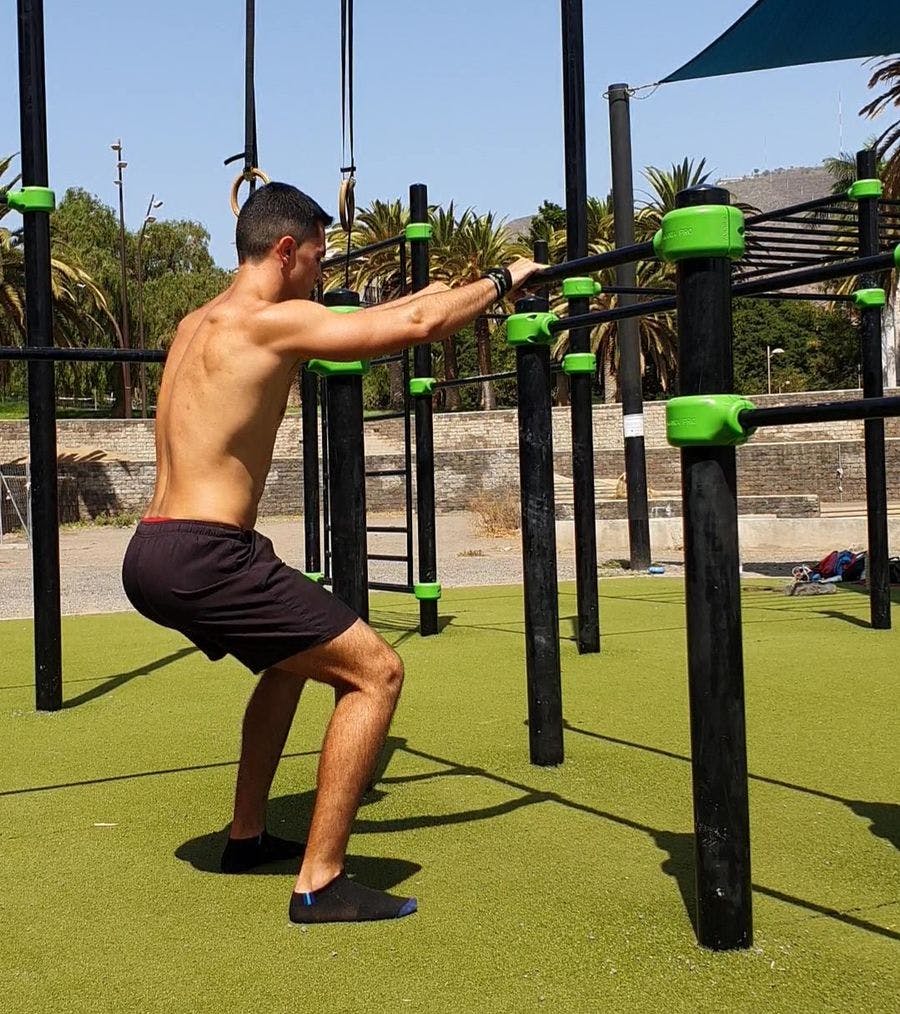

With these 4 exercises, you have a solid foundation that will allow you to condition your body. Furthermore, as you have seen, you can adjust the difficulty of each one to start at a level suitable for you and progress little by little, increasing repetitions and difficulty.
Using the exercises we saw in the previous section, we are going to form a basic routine that you can do 3 to 5 times a week, where you can progress by adapting the difficulty to your increased strength as explained.
Remember to progressively increase the repetitions and difficulty of each exercise as explained in the previous section.
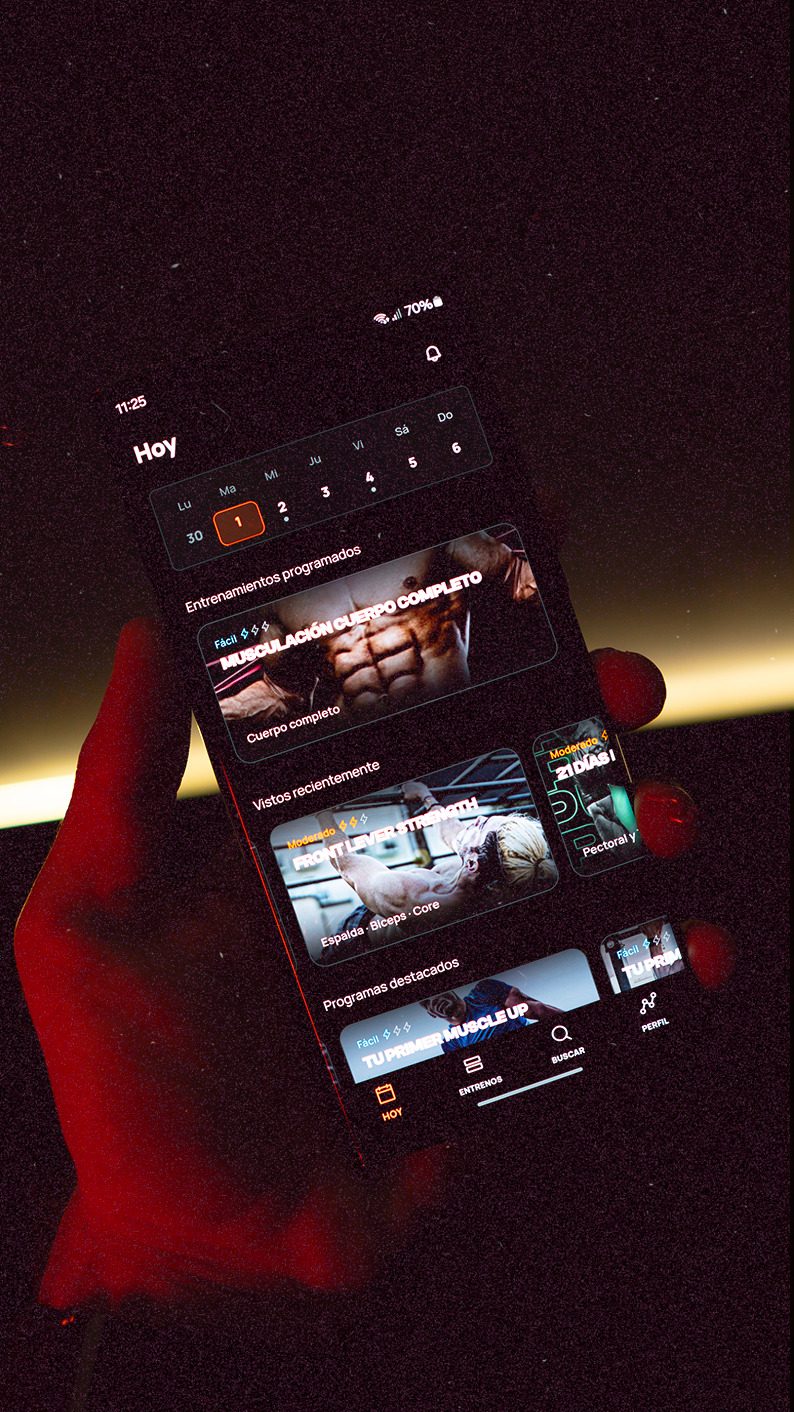
In our app Calisteniapp, we have a 21-day challenge for level 0 beginners that you can see here.
This challenge is ideal for starting training with a small daily challenge that helps you build the habit, adapted for people who have never trained. Additionally, by activating the free trial, you can try it for a week without paying, and if you are not satisfied, you cancel the trial and nothing will be charged. Start it now!

Many people believe that Calisthenics consists only of exercises like pull-ups, muscle-ups, planks, front lever... and, therefore, from the moment they start training, they want to attempt these exercises. As we mentioned, there are progressions, variations, and much simpler exercises adapted for beginners, which are the ones you should work on during your first months of training.
Stemming from the previous error, some beginners, seeing that they cannot perform the typical exercises, simply resort to doing them with elastic bands. As we have mentioned in previous articles, elastic bands are a good supplement to our training, but it is not effective for them to be the main part of it. All exercises have beginner progressions without bands that should be your priority, using band variations only as a complement.
Another myth beginners often fall for is thinking that the "core" or abdominal muscles are absolutely the most important and where all the strength comes from, thus giving it immense importance in training. This reaches the point where this muscle group takes up a very high percentage of training time. As we also mentioned, this is incorrect. The "core" is just another muscle group, and it is important due to its stabilizing function in many exercises, but it shouldn't be prioritized over other groups that are also very important and primary for strength gain, such as pushing, pulling, or leg muscles. Therefore, abdominals should be present in our training, but not to a greater extent than other muscle groups.
Another problem we often find in beginners is establishing a training program and, shortly after, changing it for a different one. This usually happens for two reasons: one would be the rush to get instant results and, secondly, the initial "enthusiasm" that makes the beginner constantly look for information, research training methods, and learn new things. You should know that the effective way to get results is by maintaining the same program for long periods of time, allowing you to advance on a solid base. If you decide to change your planning, you should know that you are sacrificing yourself in that aspect and must decide if it is worth it for you or not.
Can you do calisthenics without bars? Yes, there are all kinds of calisthenics exercises to train without equipment.
How many days to train as a beginner? Between 2 and 4 days a week would be an optimal range.
How long does it take to notice calisthenics? Regarding your strength and ability to do different exercises, you will notice improvement in the first few weeks. On an aesthetic level, you can notice some changes starting from the first month.
Can you gain muscle with calisthenics from scratch? Yes, muscle mass is gained from the moment you start performing the first exercises.
If you want guided training programs with weekly planning and everything you need to progress in Calisthenics, we have everything you need in our app. Download it now.
By Yerai Alonso
Personalized quiz
Answer 7 quick questions and we will recommend the program that fits you best.

Yerai Alonso
Cofundador de Calisteniapp, referente en calistenia y el street workout en Español. Con más de una década de experiencia, es creador de uno de los canales de YouTube más influyentes del sector. Autor del libro La calle es tu gimnasio, campeón de Canarias y jurado en competiciones nacionales e internacionales.
Learn everything you need to know about calisthenics
What's new in Calisteniapp v26.9.0: community comments, a new weighted calisthenics program with RPE, and improvements to the routine builder.
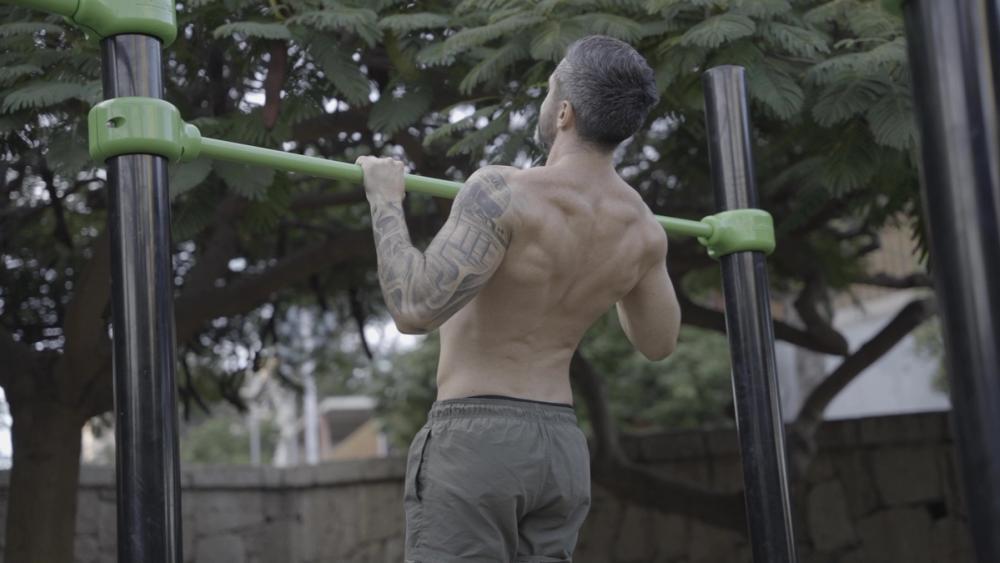
Want to train your lower trapezius? Improve your posture and technique in pull-ups and handstands. No equipment, with progressions
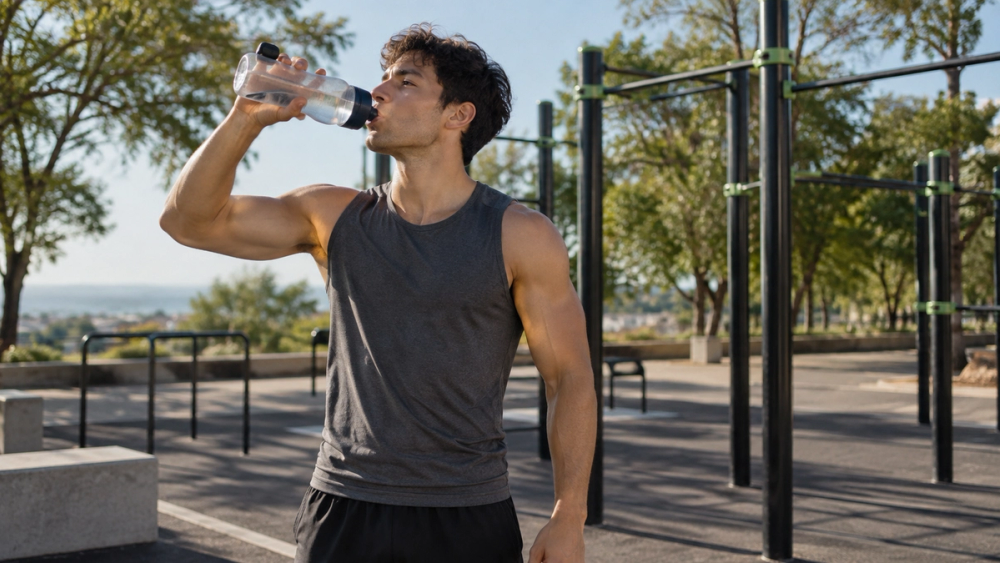
Find out how much water you need if you train calisthenics, when to drink it, and how hydration affects your strength and performance. A complete guide.