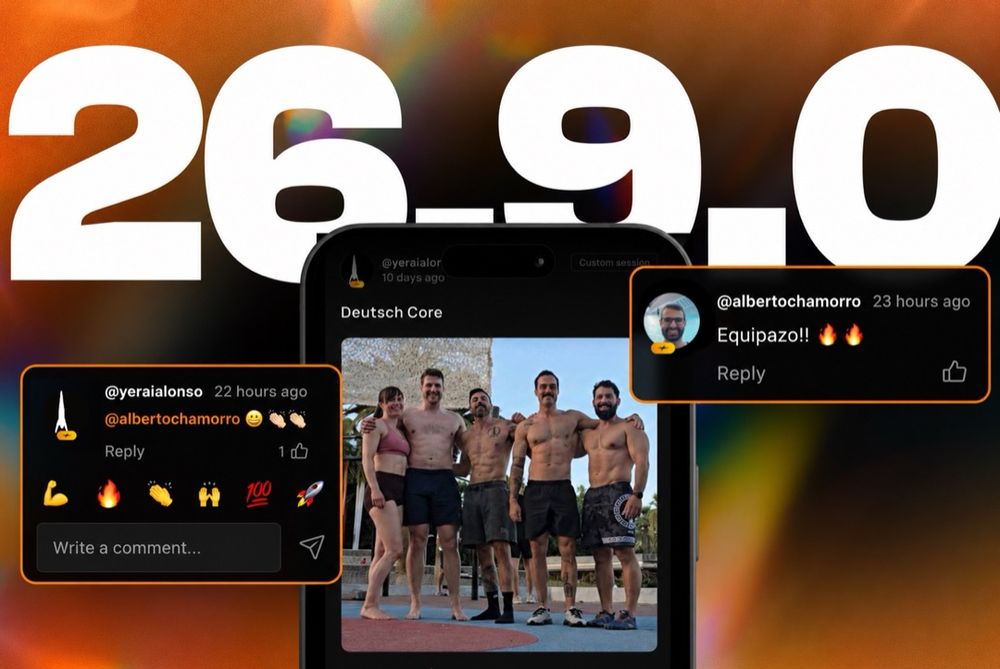
Latest Calisteniapp Update - v26.9.0
What's new in Calisteniapp v26.9.0: community comments, a new weighted calisthenics program with RPE, and improvements to the routine builder.
Discover what to eat after calisthenics to optimize recovery, build muscle, and reduce fatigue. Maximize your results with the right post-workout nutrition.
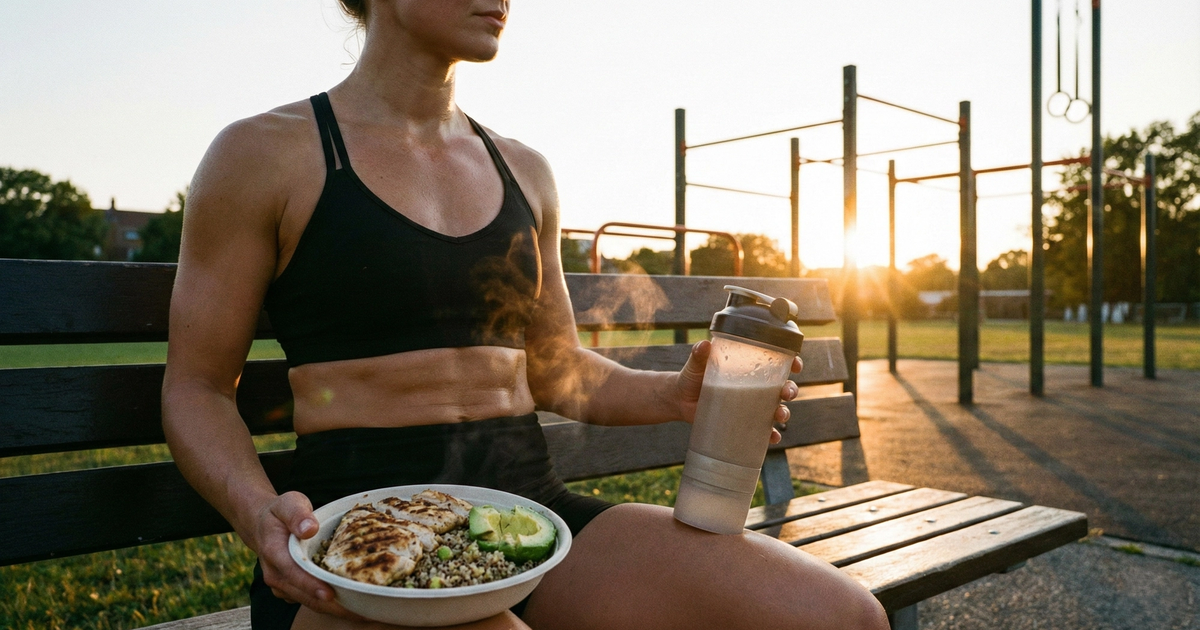
When you practice calisthenics, the muscles receive a demanding stimulus that causes small fiber tears, empties glycogen stores, and generates significant metabolic stress. Understanding what to eat after training can be decisive for gaining strength and muscle mass instead of stalling your progress.
After the training session, the body enters a recovery period in which muscle repair processes and glycogen replenishment remain activated. Although there is no "anabolic window" limited to a few minutes, there is increased sensitivity in muscle tissue for several hours.
Ensuring an adequate intake of quality protein along with enough carbohydrates during this period favors protein synthesis, glycogen recovery, and better training adaptation, while also helping to minimize accumulated fatigue in subsequent sessions.
In this guide, I explain clearly and based on scientific evidence what to eat after training calisthenics according to your goal.

After training, the body enters a recovery period in which muscle repair and glycogen replenishment remain active. Although there is no "anabolic window" limited to 30 minutes, there is increased metabolic sensitivity for several hours.
Intense exercise reduces glycogen stores. Consuming carbohydrates after the session favors their replenishment, especially if you train daily.
Training increases muscle protein synthesis for 24–48 hours. An intake of approximately 0.3–0.5 g/kg of protein per serving optimizes this process.
An adequate combination of protein and carbohydrates helps improve adaptation to training and reduces accumulated fatigue.
After an intense session, the body activates muscle repair and energy replenishment processes. Although there is no 30-minute anabolic window, there are several hours during which it is advisable to provide adequate nutrients.
Proteins (Muscle Repair)
Carbohydrates (Energy and Glycogen)
Healthy Fats (Hormonal Support) They aren't an immediate priority, but they are essential to your daily intake.
Hydration and Electrolytes Fluid loss affects performance and recovery.

If you are wondering what to eat after training to gain muscle, the key is to combine quality protein and sufficient carbohydrates. This combination favors muscle recovery and helps optimize training adaptations within a well-planned nutritional strategy.
You don't need anything extreme or mandatory supplements: well-distributed real food works perfectly.
📌 Guideline Amounts
Example: 70 kg person → 25–35 g of protein → 35–70 g of carbohydrate
🥗 Simple and effective examples:

If you are looking for real options for your post-workout meal, these are the most effective foods to favor recovery and stimulate muscle synthesis:

If you are unsure about what to have after training, here are practical options based on the time you have and the time of day.
Quick Option (5 min)
Full Meal Option (Main Meal)
Light Dinner Option
If You Train Late
If you're wondering when to eat after training, the short answer is: there is no rigid, mandatory 30-minute window. The famous "anabolic window" is much more flexible than previously thought.
After training, muscle protein synthesis remains elevated for several hours (even up to 24–48 hours). This means you don't need to eat immediately to get benefits.
Current research indicates that exact timing is less relevant than total daily intake. The determining factors for gaining muscle mass are:
At a physiological level, the foundations of recovery are similar: you need sufficient protein and adequate carbohydrates to favor muscle repair and glycogen replenishment. However, post-workout calisthenics has some interesting nuances.
Calisthenics combines bodyweight work, high mechanical tension, and, in many cases, great demand on joints and connective tissue (shoulders, wrists, elbows).
This implies:
In general terms, the needs are very similar to those of gym training:
The difference is not so much in the macronutrients as in the frequency of stimulus and joint recovery, which can be higher in calisthenics.
Regardless of whether you train in a gym or do calisthenics, the determining factors are:

No, it's not mandatory to eat immediately after training. The anabolic window is flexible and muscle protein synthesis remains elevated for several hours. The most important thing is to reach your total daily protein and calorie intake, rather than the exact minute you eat.
Yes, a shake can be enough if it provides around 20–40 g of protein and is combined with carbohydrates if the training was intense. It's not essential, but it's a practical option when you can't have a full meal.
If you train fasted, it's advisable to ingest protein and carbohydrates within the first hour afterward to favor recovery. While you won't lose muscle from a single session, delaying intake too long can make it difficult to meet your daily requirements.
To speed up recovery, combine quality protein (0.3–0.5 g/kg per serving) with sufficient carbohydrates to replenish glycogen. Prioritize easy-to-digest foods and ensure you cover your total energy and protein needs throughout the day.
At Calisteniapp, you will find routines to gain muscle and improve strength, along with complementary sports nutrition guides. Download the app so you don't miss anything.
Personalized quiz
Answer 7 quick questions and we will recommend the program that fits you best.
Learn everything you need to know about calisthenics
What's new in Calisteniapp v26.9.0: community comments, a new weighted calisthenics program with RPE, and improvements to the routine builder.
Want to train your lower trapezius? Improve your posture and technique in pull-ups and handstands. No equipment, with progressions
Find out how much water you need if you train calisthenics, when to drink it, and how hydration affects your strength and performance. A complete guide.