
How to Train Calisthenics to Improve Your Running Performance
Discover how calisthenics can improve your running performance: which exercises to focus on, how to train for strength, and why it can help you run better.
Learn all about macronutrients: their roles, types, and the importance of nutrient timing for sports performance. Read our complete guide for athletes.
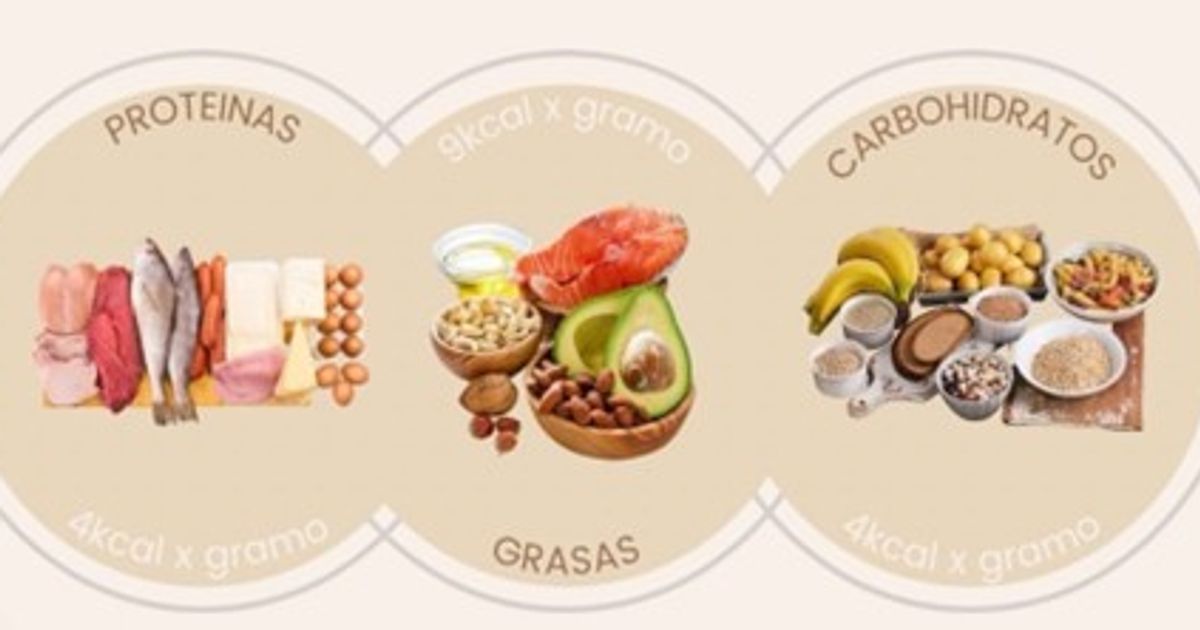
Macronutrients are the nutrients the body needs in large quantities because they provide energy (kilocalories) and fulfill essential structural and metabolic functions for life, growth, and physical performance. They are divided into carbohydrates, proteins, and fats.
Types of macronutrients:
In active individuals, macronutrients are relevant because they directly influence the ability to train, recover, and adapt to physical stimuli. Macronutrients directly affect energy, recovery, and body composition because they determine the substrates available for exercise and training adaptation.
Since calisthenics is a strength sport, it requires a correct distribution of macronutrients. Carbohydrates allow for maintaining intensity in high-intensity sessions; proteins maintain muscle mass, improve strength, and facilitate recovery; and fats maintain hormonal health, which is key in these types of sports with high training loads.

Macronutrients are the nutrients the body needs in large quantities and that provide energy; whereas micronutrients are needed in small quantities but are essential for life. These include vitamins and minerals.
Proteins have a structural function, forming muscles, tendons, ligaments, and other body tissues. Importance for athletes (repair, muscle growth):
In athletes, they are essential for muscle repair and growth, they improve recovery, and help prevent injuries. Between 1.6 – 2.2 g/kg/day of protein is recommended for active individuals performing strength sports like calisthenics.
Carbohydrates are the body's primary source of energy, especially during moderate to high-intensity exercise. Importance in intense training:
Glycogen loading consists of increasing carbohydrate consumption to fill muscle and liver stores, improving performance in long or very demanding sessions. Consuming carbohydrates before training provides energy and improves performance, while consuming them after training helps replenish glycogen and accelerates recovery.
Fats play a key role in hormonal regulation, participating in the production of hormones such as testosterone and estrogen. They provide satiety, helping with appetite control, and provide sustained energy, especially during prolonged and low-to-moderate intensity efforts.
We can classify them as:

Macronutrients (carbohydrates, proteins, and fats) are fundamental because they provide the energy and nutrients necessary to adapt to training and improve athletic performance:
To gain muscle mass, an energy surplus is required, with an increase in proteins for muscle growth and carbohydrates to sustain training and recovery. The recommended distribution is: 45–60% carbohydrates, 20–30% proteins, and 20–30% fats.
In calisthenics, an adequate energy volume is key because it allows for maintaining performance, tolerating high training volumes, and favoring muscle gain without compromising relative strength.

Fat loss requires a slight caloric deficit that allows for the reduction of adipose tissue without compromising performance. It is essential to maintain a high protein intake to preserve muscle mass and promote recovery. Healthy fats should be kept in the diet, as they help preserve hormonal regulation, satiety, and proper metabolic functioning.
For general performance or maintenance goals, a stable energy balance is sought, without a marked surplus or deficit, with a more flexible macronutrient distribution. Consistency in nutrition is key to sustaining performance, facilitating recovery, and maintaining good body composition over the long term.
Calculate your TDEE (Total Daily Energy Expenditure): add your basal metabolism + physical activity + thermic effect of food (10%) + NEAT (energy expended during the day excluding physical activity; between 5% - 20%) to find your maintenance calories.
Define based on your goal:
Convert to macros using calories per gram:
Calisthenics example (70 kg, TDEE 2,500 kcal, gaining mass):

There are three main macronutrients:
Yes, a meal or snack with carbohydrates and proteins before training improves performance and reduces fatigue.
Not exactly. The macro proportion may be similar, but caloric needs usually differ due to:
It depends on the type of training:
Download Calisteniapp and take your training to the next level. Access structured routines adapted to your level, track your progress in real-time, and learn to complement your training with proper nutrition to improve performance, recovery, and long-term adherence.
Personalized quiz
Answer 7 quick questions and we will recommend the program that fits you best.
Learn everything you need to know about calisthenics
Discover how calisthenics can improve your running performance: which exercises to focus on, how to train for strength, and why it can help you run better.

Discover the best wrist mobility and warm-up exercises for calisthenics. Rotations, progressions, and tips to protect your wrists during handstands and push-ups.

Find out which supplements are worth taking if you train calisthenics (and which aren’t). Creatine, protein, caffeine, and more, backed by scientific evidence.