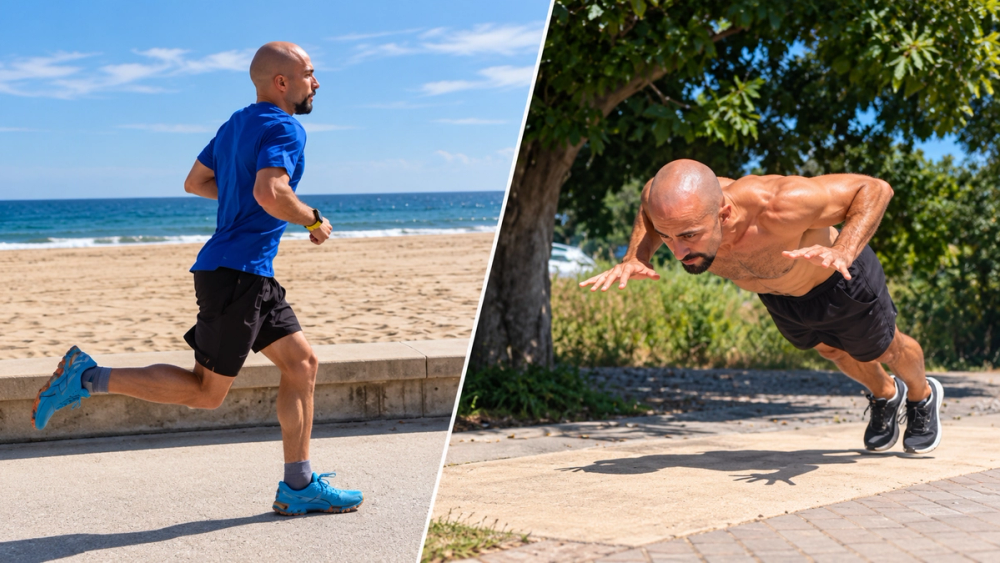
How to Train Calisthenics to Improve Your Running Performance
Discover how calisthenics can improve your running performance: which exercises to focus on, how to train for strength, and why it can help you run better.
Discover 20 easy, budget-friendly recipes to build muscle while you train. High-protein breakfasts, lunches, dinners, and snacks.

Knowing which foods can help us meet our nutritional needs doesn’t always answer the most everyday question: what should I cook today? When we train calisthenics with the goal of building muscle, we need our diet to support our training, but that doesn’t mean spending hours in the kitchen or always eating the same dishes.
In this article, you’ll find 20 easy, budget-friendly recipes for building muscle that provide plenty of protein. We’ve organized them into breakfasts, lunches, dinners, and snacks so you can easily add them to your weekly meal plan. If you’d first like to learn which foods to prioritize and how to structure your diet, check out our article on foods for building muscle.
The quantities are approximate and should be adjusted to each person’s energy and nutritional needs. There’s no recipe that, on its own, will build muscle: strength training, adequate energy intake, and meeting your protein requirements are all essential parts of the process.
Ingredients: 60 g oats, 150 ml egg whites, 1 banana, cinnamon, and 100 g plain Greek yogurt.
Method: Blend the oats, egg whites, banana, and cinnamon until smooth. Cook small portions in a nonstick pan for about 1–2 minutes on each side. Serve the pancakes topped with yogurt.
Approximate protein: 30 g.
Ingredients: 2 eggs, 100 ml egg whites, 2 slices of whole-grain bread, ½ avocado, tomato, and spices.
Method: Cook the eggs and egg whites over medium heat, stirring until they reach your desired consistency. Toast the bread and serve with the avocado, tomato, and scrambled eggs.
Approximate protein: 30 g.
Ingredients: 250 g plain Greek yogurt, 50 g oats, 1 banana or seasonal fruit, 15 g nuts, and cinnamon.
Method: Place the yogurt in a bowl and add the oats. Chop the fruit and arrange it on top, along with the nuts and a little cinnamon.
Approximate protein: 25 g, depending on the yogurt used.

Ingredients: 2 slices of whole-grain bread, 150 g cottage cheese, 1 small banana, and cinnamon.
Method: Toast the bread and spread the cottage cheese over both slices. Add the sliced banana and finish with cinnamon to taste.
Approximate protein: 25 g.
Ingredients: 250 ml milk, 40 g oats, 100 g berries, 30 g protein powder, and 1 small banana.
Method: Add all the ingredients to a blender and blend until smooth. Add more milk or water if you prefer a thinner consistency.
Approximate protein: 35–40 g.
This is just one possible combination. If you’re looking for more options like this, check out our guide to homemade smoothies for building muscle, where you’ll find different recipes with and without protein powder.
Ingredients: 80 g uncooked brown rice, 150 g chicken breast, 150–200 g mixed vegetables, extra-virgin olive oil, and spices.
Method: Cook the rice according to the package instructions. Dice the chicken and cook it in a pan with the vegetables and a little oil. Mix with the rice and season to taste.
Approximate protein: 40–45 g.
Ingredients: 90 g uncooked whole-wheat pasta, 1 large can of tuna in water, 150 g crushed tomatoes, onion, extra-virgin olive oil, and spices.
Method: Cook the pasta. Meanwhile, lightly sauté the onion, add the tomatoes, and cook for a few minutes. Add the drained tuna and mix the sauce with the pasta.
Approximate protein: 35–40 g.
Ingredients: 200 g cooked lentils, 60 g uncooked rice, carrot, onion, bell pepper, tomato, and extra-virgin olive oil.
Method: Sauté the chopped vegetables and add the lentils along with a little water or stock. Cook for a few minutes to let the flavors meld. Serve with the rice, cooked beforehand.
Approximate protein: 20–25 g.
Ingredients: 70 g uncooked quinoa, 100 g cooked chickpeas, 120 g chicken breast, tomato, cucumber, carrot, and extra-virgin olive oil.
Method: Cook the quinoa and let it cool slightly. Grill the chicken and cut it into strips. Place all the ingredients in a bowl and finish with olive oil and your choice of spices.
Approximate protein: 40–45 g.
Ingredients: 150 g salmon, 250 g potato, 150 g broccoli, extra-virgin olive oil, lemon, and spices.
Method: Cut the potato and bake it until it starts to soften. Add the salmon and broccoli and continue baking until the fish is fully cooked. Serve with lemon and spices.
Approximate protein: 35 g.

Ingredients: 2 whole-wheat tortillas, 150 g turkey breast, lettuce, tomato, carrot, 50 g avocado, and plain yogurt for the sauce.
Method: Cook the turkey and cut it into strips. Fill the tortillas with the turkey, vegetables, and avocado. You can make a quick sauce by mixing yogurt with lemon and spices before folding the wraps.
Approximate protein: 35–40 g.
A light dinner doesn't have to mean an insufficient dinner. If our goal is to build muscle, we should also take into account the energy and protein this meal provides as part of our daily total.
Ingredients: 1 egg, 150 ml egg whites, 100 g spinach, and 60 g fresh cheese.
Preparation: Sauté the spinach for a few minutes. Add the beaten egg and egg whites and cook until set. Add the fresh cheese before folding the omelet.
Approximate protein: 30 g.
Ingredients: 180 g hake, zucchini, bell pepper, onion, 200 g potato, extra-virgin olive oil, and spices.
Preparation: Chop the vegetables and potato and bake them first until they begin to soften. Add the hake and continue cooking until done.
Approximate protein: 35-40 g.
Ingredients: 100 g chicken, 1 egg, 100 g cooked chickpeas, tomato, lettuce, cucumber, and extra-virgin olive oil.
Preparation: Cook the chicken on a griddle and cook the egg until completely set. Chop both and mix them with the chickpeas and vegetables. Dress to taste.
Approximate protein: 35-40 g.
Ingredients: 200 g firm tofu, bell pepper, onion, zucchini, extra-virgin olive oil, turmeric, and pepper.
Preparation: Crumble the tofu with a fork. Sauté the vegetables and, once tender, add the tofu and spices. Cook for a few minutes, stirring all the ingredients together.
Approximate protein: 25-30 g, depending on the tofu used.
It's an easy plant-based option for adding variety to our protein sources.
Ingredients: 150 g chicken breast, 200 g zucchini, 100 g potato, carrot, onion, extra-virgin olive oil, and spices.
Preparation: Cook the vegetables and potato, then blend until smooth. Cook the chicken on a griddle, cut it into strips or cubes, and serve it with the soup.
Approximate protein: 35-40 g.
Main meals aren't the only opportunity to get protein and energy. A snack can help us meet our daily intake, especially when we train several hours after eating or find it difficult to meet our requirements.
Ingredients: 250 g plain Greek yogurt, 20 g nuts, and 10-15 g honey.
Preparation: Spoon the yogurt into a bowl and add the chopped nuts and honey. No further preparation is needed, and you can make it ahead of time.
Approximate protein: 20-25 g, depending on the yogurt.
Ingredients: 4 rice cakes, 100 g fresh cheese, and 80 g turkey breast.
Preparation: Spread the fresh cheese over the rice cakes and top with the turkey. You can add tomato, pepper, or other spices for extra flavor.
Approximate protein: 25-30 g.
Ingredients: 1 banana or apple and 30 g 100% peanut butter.
Preparation: Slice the fruit and serve it with the peanut butter. You can also spread the peanut butter over the slices to make them easier to eat.
Approximate protein: 8-10 g.
In this case, the protein content is lower than in the previous recipes. Its main benefit is that it provides an easy way to increase the energy content of your diet, so you can pair it with another protein source when needed.
Ingredients: 2 eggs and one piece of fruit.
Preparation: Boil the eggs for about 10-12 minutes, cool them, and peel them. You can prepare them in advance and keep them properly refrigerated until you're ready to eat them.
Approximate protein: 12-14 g.
Although these are healthy recipes for building muscle, the quantities shown are only a guide. Two people can prepare exactly the same dish and need completely different portions.
Building muscle usually requires enough energy to support training and promote muscle adaptations. If you need to increase a recipe's energy content, you can do so by adjusting the quantities of its ingredients: for example, increasing the serving of rice, pasta, oats, or potato, or adding energy-dense foods such as olive oil, avocado, nuts, or peanut butter.
By contrast, some people may want to lose fat and build muscle or improve their body composition. In that case, it wouldn't make sense to automatically use the same quantities or assume that a large calorie surplus is necessary.
The important thing is to understand that recipes provide the framework for a dish, and the quantities are what let you adapt it to each goal.
If you'd like to explore this topic further, you can check out our guide to calorie surplus in calisthenics, where we explain how to adjust your energy intake. This way, we avoid turning this recipe article into another theoretical article about calories and macronutrients.
Building muscle doesn't mean living on rice, chicken, and broccoli. A well-planned diet can include sweet breakfasts, bowls, pasta, wraps, hearty soups, fish, plant-based options, and simple snacks.
These 20 recipes for building muscle let you combine different sources of protein, carbohydrates, and fats and, above all, make it easier to do something essential: maintain a varied and practical diet over time.
Nutrition, however, is only part of the process. To build muscle mass, we need to pair it with an appropriate training stimulus. If you train calisthenics and want to focus your training on this goal, Calisteniapp’s Full-Body Muscle-Building program can be a great option for working your entire body:
If you’re just getting started with strength training, you can also begin with Beginner Upper-Lower while learning to gradually adjust your nutrition to meet the demands of your training:
Personalized quiz
Answer 7 quick questions and we will recommend the program that fits you best.
Learn everything you need to know about calisthenics
Discover how calisthenics can improve your running performance: which exercises to focus on, how to train for strength, and why it can help you run better.
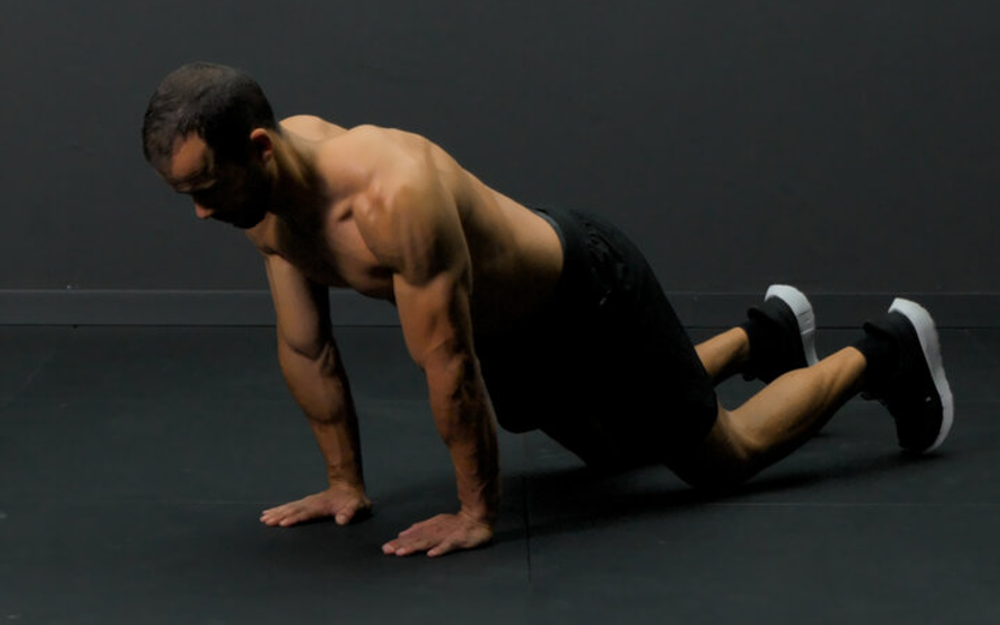
Discover the best wrist mobility and warm-up exercises for calisthenics. Rotations, progressions, and tips to protect your wrists during handstands and push-ups.
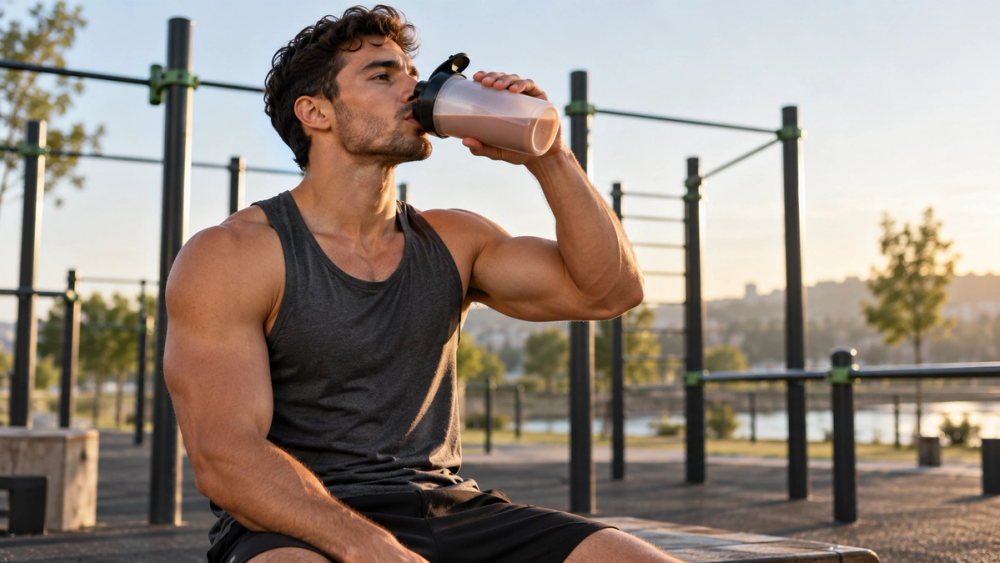
Find out which supplements are worth taking if you train calisthenics (and which aren’t). Creatine, protein, caffeine, and more, backed by scientific evidence.